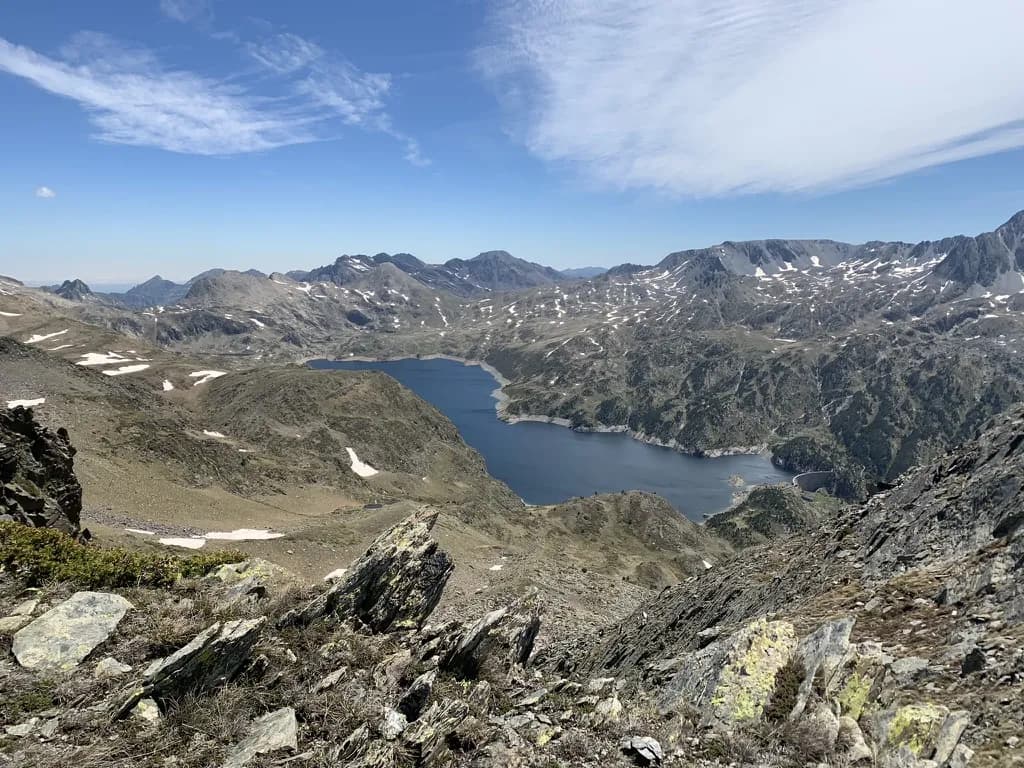
Arriving in Font-Romeu for an altitude training camp and looking for the best hills to run? You're in the right place. The Font-Romeu / Mont-Louis area offers an exceptional variety of hills, from short and explosive to long and progressive, all between 1550m and 2100m altitude. Here's our selection of the best hills for training, tested and approved by the athletes who stay at the center.
Why do hill training at altitude?
Combining hill work and altitude doubles the training stimulus. Altitude hypoxia forces your body to adapt to reduced oxygen, while the gradient challenges your muscular power and running technique. The result: gains that transfer directly to race day.
Targeted muscle strengthening
Hills intensely engage your calves, quadriceps and glutes. With each uphill stride, you recruit more muscle fibers than on flat ground, building runner-specific strength.
Running form improvement
The gradient forces you to lift your knees, push off your footstrike and drive your arms. It's natural technical work that corrects running form flaws without thinking about it.
Mix up your training
Hills break the routine and provide a different stimulus from your usual flat sessions. It's a chance to explore new routes, try something different and keep your motivation high during your camp.
Mental preparation
Hill training at altitude builds mental toughness. When you return to flat running at sea level, everything feels easier. It's a considerable psychological advantage on race day.
Our favorite spot: Côte Martin Desmidt by NTV
1 km from the center — the perfect hill for your repeats
This is THE hill we recommend to every athlete who stays at the center. Located on the bike path between Mont-Louis and Matemale Lake, just 1 km from LA NTV Training Center, it's directly accessible with a short warm-up jog. About 250 meters of climbing at 1,650m altitude, on perfect surface, with zero car traffic. An ideal spot for repeats in complete safety.
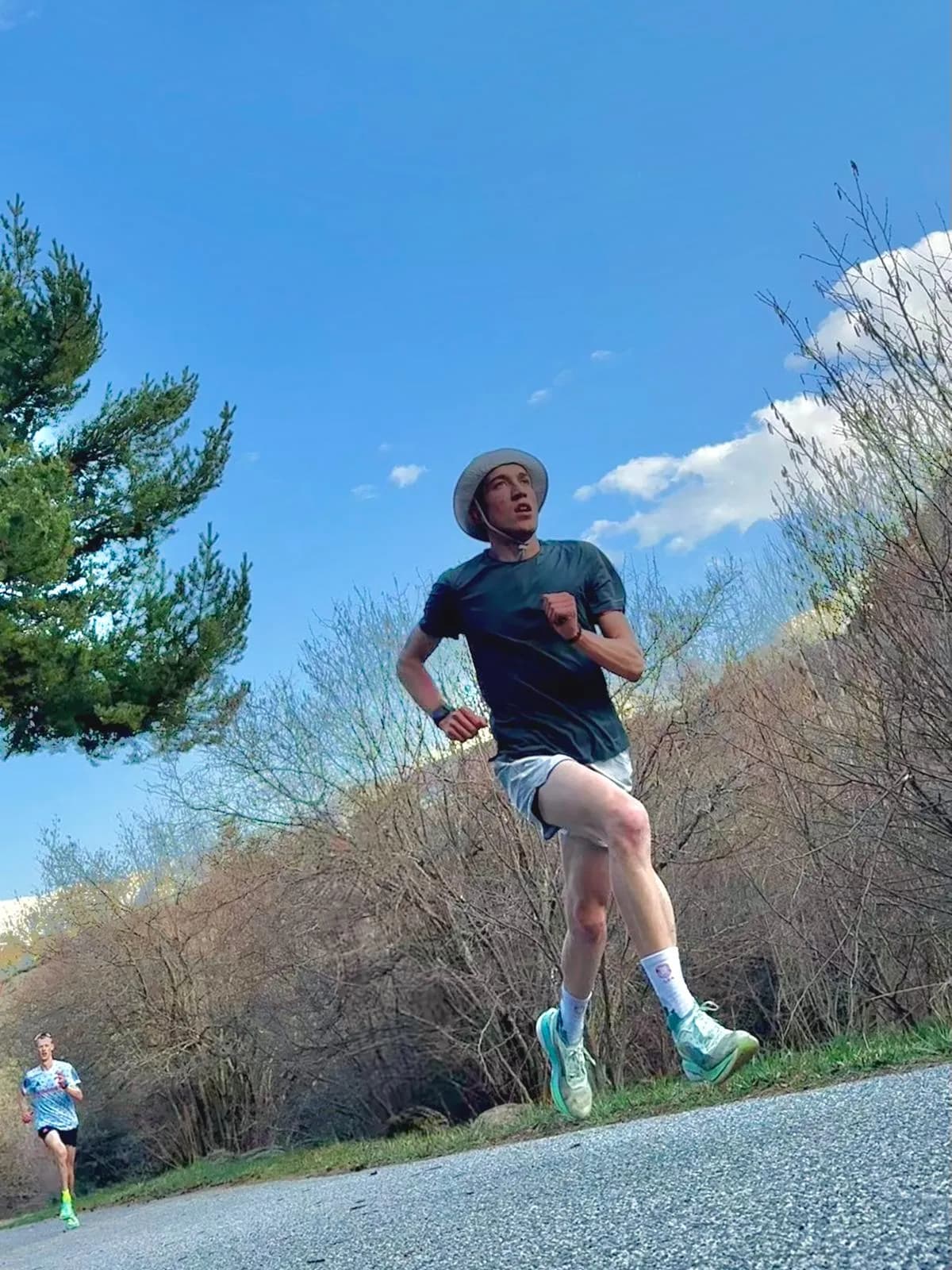
Entirely on a bike path: zero cars, zero danger. You can focus 100% on your effort without ever worrying about traffic.
Just 1 km from the center: jog out, warm up on the way, and start your reps. No car needed. It's also near the roundabout between Font-Romeu and Matemale Lake, so you can park there if driving.
Consistent gradient on perfect surface: smooth, clean asphalt with a steady incline — ideal for even repeats and comparable splits from one rep to the next.
Very little foot traffic, even in peak season: you can chain your reps without interruption, in complete peace.
A Strava segment created by LA NTV Training Center
We created this Strava segment so you can compare yourself to other athletes who train here. Track your times, monitor your progress throughout your camp, and go for the KOM! The current record is held by Martin Desmidt, a French athlete specializing in the 1500m (3:36) and 5000m (13:31). Come try to dethrone him!
View the segment on Strava →Other hills around Font-Romeu
Beyond our favorite spot, the area offers other hills to mix things up and vary the intensity.
200m côte Lycée Clim — Font-Romeu
A short 200m hill in Font-Romeu, near the Lycée Climatique. Perfect for short, explosive repeats. A classic among athletes training in the area.
La Calme road
The climb to La Calme plateau from Pyrénées 2000. A demanding hill above 2000m altitude, where every effort is amplified by hypoxia. Reserved for acclimatized athletes (after 5-7 days minimum). Ideal for hill sessions in challenging conditions.
Puigmal full — from Sainte-Léocadie
The ultimate long climb. The full ascent toward Puigmal is perfect for long hill sessions like 8 × 1000m repeats, or to simulate mountain race conditions. A real challenge for trail runners and marathoners seeking elevation gain.
Tips for hill sessions at altitude
Respect acclimatization
For the first 3-4 days, stick to easy jogs and gentle hills. Altitude already adds significant stress — no need to pile on high-intensity work from day one.
Hydrate more
At altitude, dehydration happens faster (dry air, accelerated breathing). Drink regularly before, during and after hill sessions. Uphill effort at altitude makes you sweat more than you'd expect.
Adjust your paces
Your hill paces will be 10-15% slower than at sea level. This is normal and expected. Don't force yourself to match your usual splits — what matters is perceived effort, not GPS speed.
Focus on technique
Use hills to work on your posture: upright torso, eyes forward, active arms, high knees. Hills are the best technique correction tool, especially when fatigue sets in.
Plan your recovery
At altitude, recovery takes longer. Alternate a hill day with an easy jog day or rest. Your body needs time to absorb the dual stress of gradient and altitude.
Ready to tackle hills at altitude?
At LA NTV Training Center, we welcome you in Mont-Louis (1600m), 15 minutes from all the hills listed here. Come train in the best conditions.
Book your altitude camp